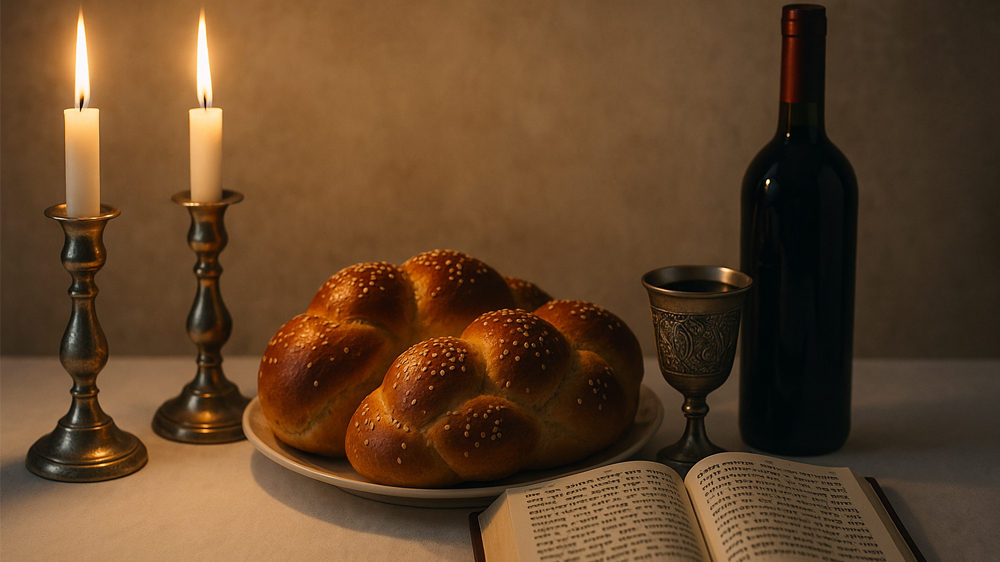
What does it mean to be “called bad” for not dreaming? Could Shabbos itself be the wake-up call from life’s deepest illusions?

How much damage can a single word cause? What if a rebuke, though true, destroys generations? Could silence be the cure?
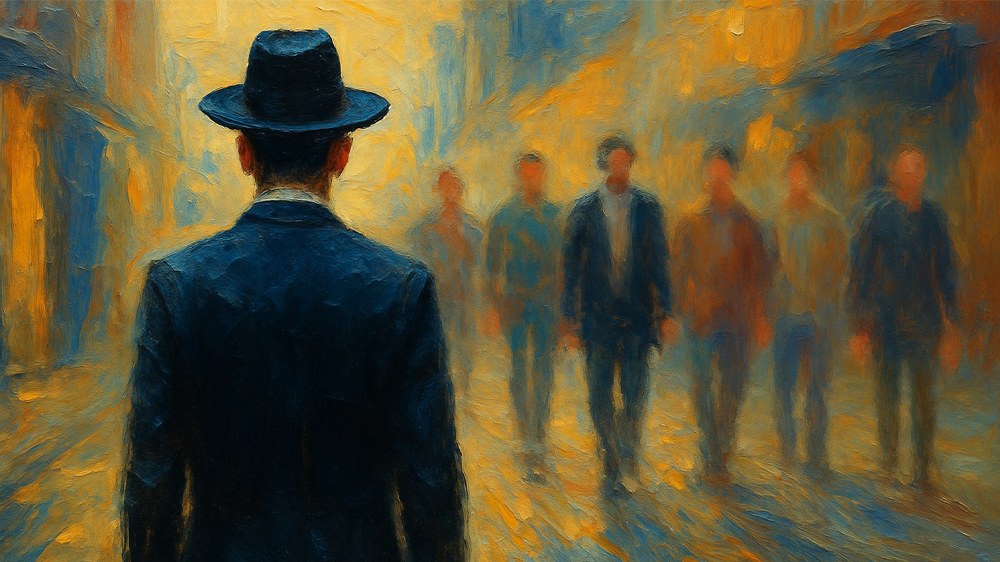
What do the banners of the desert teach us about identity, unity, and appearance in Avodas HaShem [the Service of G-d]?
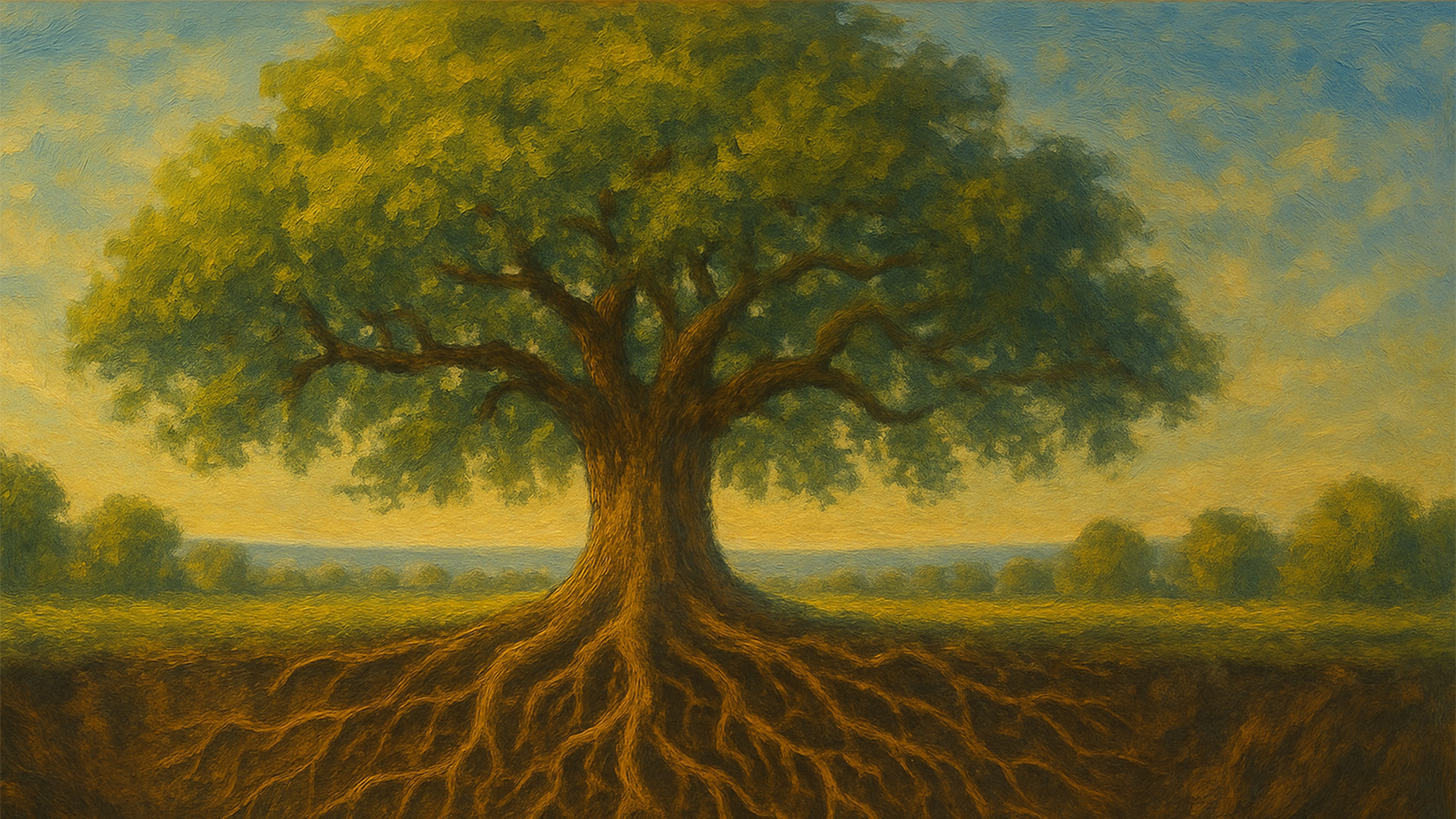
From here we learn the profound power of influence that forefathers have over their descendants—even after many generations.
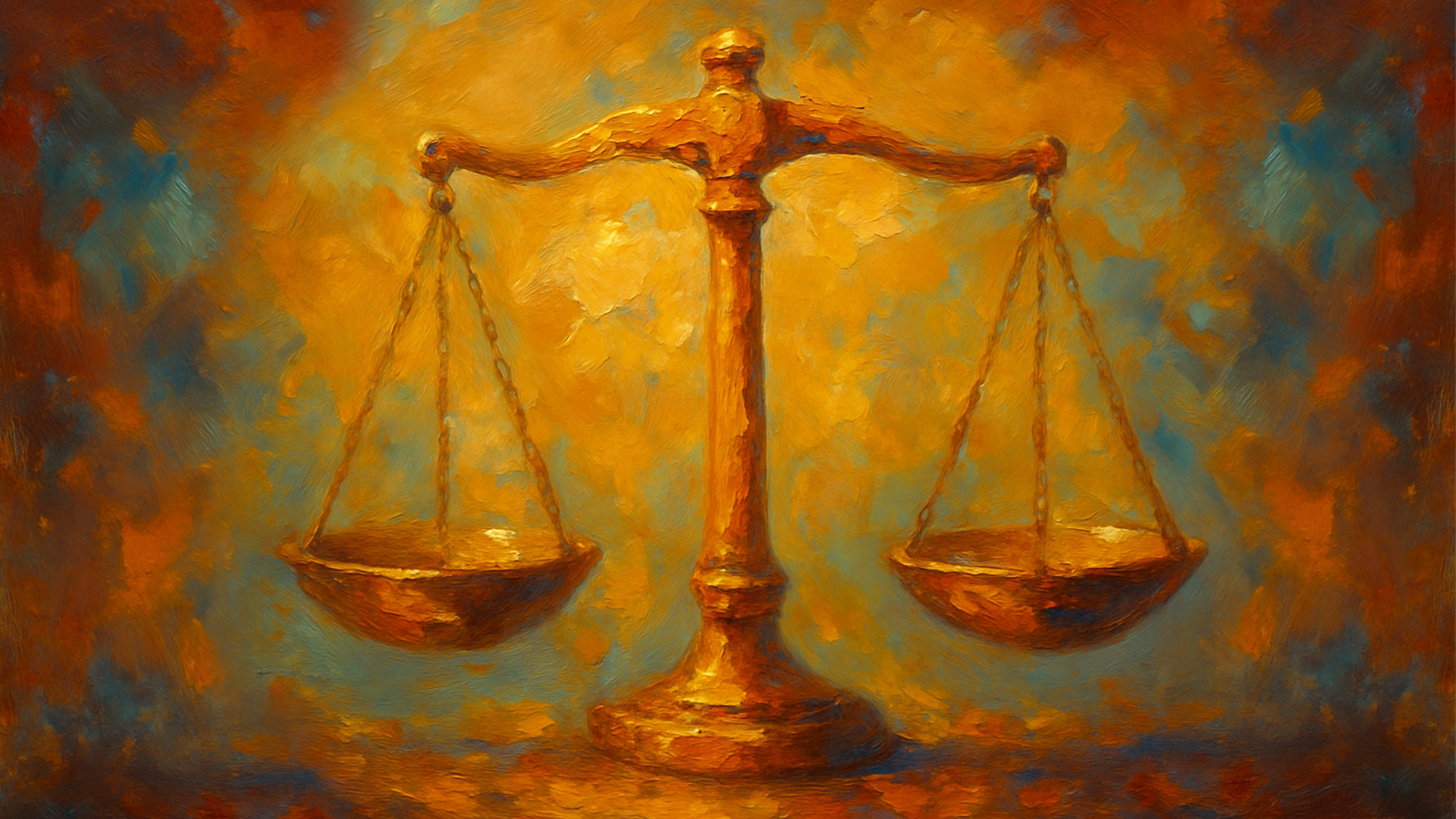
The teachers of ethics expounded allegorically: A person must appoint for himself judges and officers in all his “gates,” that is, in the mouth, the eyes, and the ears…

Therefore, a person should ask himself, ‘What shall I do? My evil inclination overpowers me.’ If the Holy One goes with him, he will prevail.
