A Jew is different. We have to be sensitive, G-d fearing; we must have the trait of tov v’ra [good and evil] and also walk with tzniyus [modesty] before Hashem. That is the deeper message that we learn from the Avos [Forefathers].
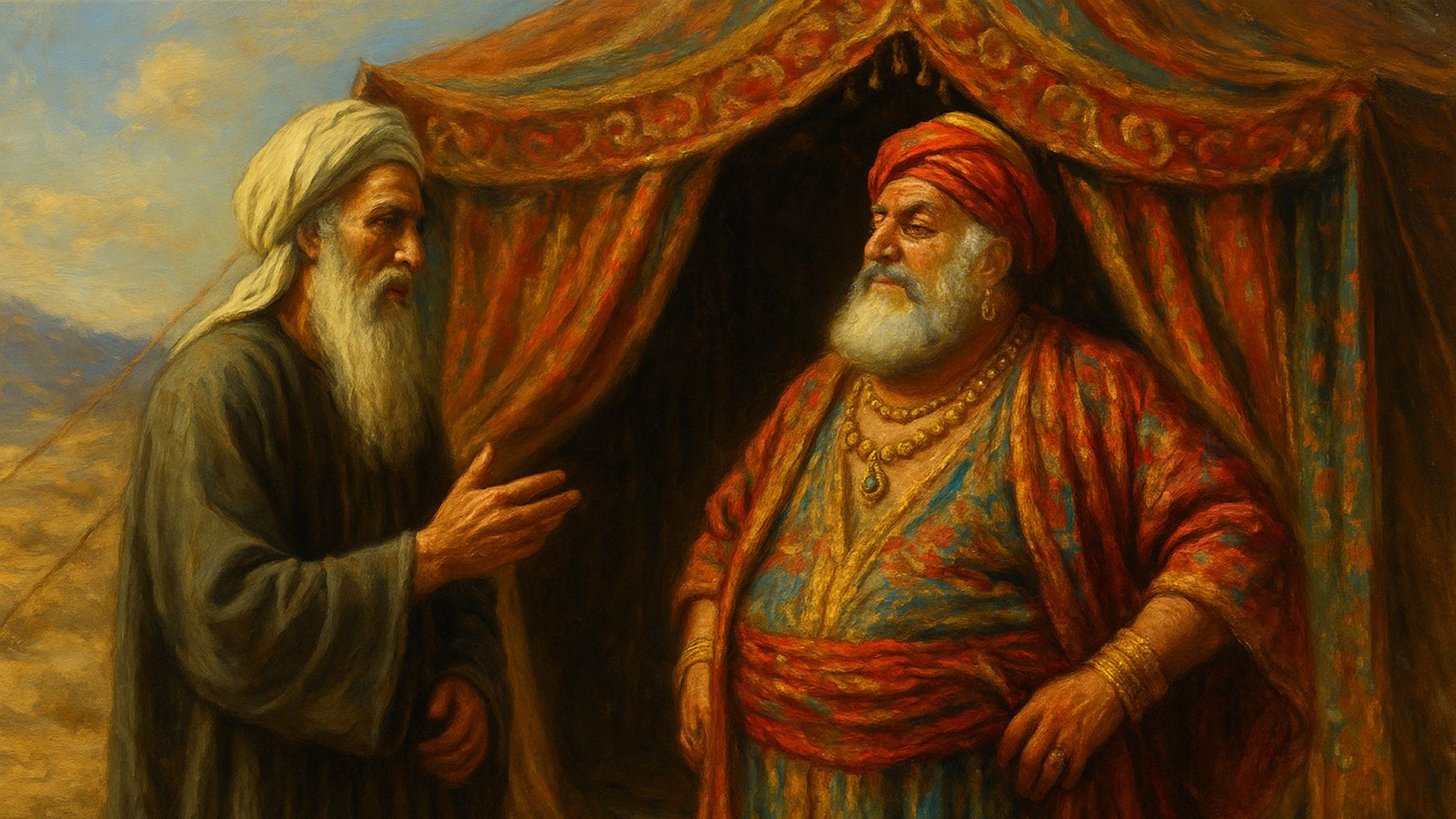

A Jew is different. We have to be sensitive, G-d fearing; we must have the trait of tov v’ra [good and evil] and also walk with tzniyus [modesty] before Hashem. That is the deeper message that we learn from the Avos [Forefathers].
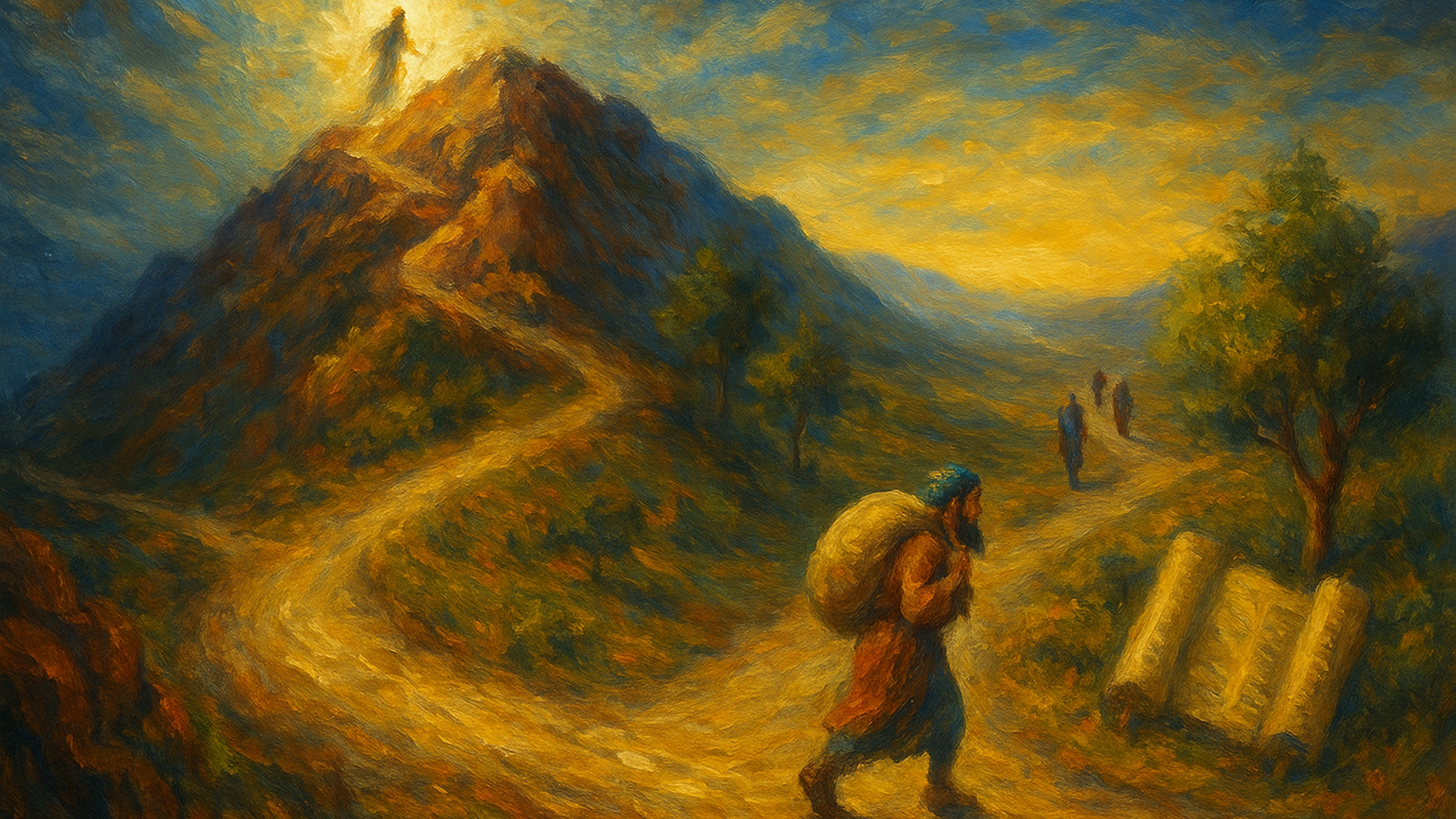
Beis Hillel’s position is to handle the body and soul as a unit—work with what we have and strive for spiritual growth. Beis Shammai’s position is to handle the soul as if it is almost out of the body.

Explore the transformative journey of growth and redemption with the concept of ‘Before and After.’ This chapter of Imrei Mordechai reflects on how, even after mistakes, we have the power to change, grow, and move towards a better future. Learn how the process of repair and improvement mirrors the cycles of life, much like a young tree growing from a sapling to a strong, flourishing tree.

Why do we mourn the Korban Tamid and the Beis Hamikdash? Discover why their loss should still shake us today. Are we truly longing for redemption?
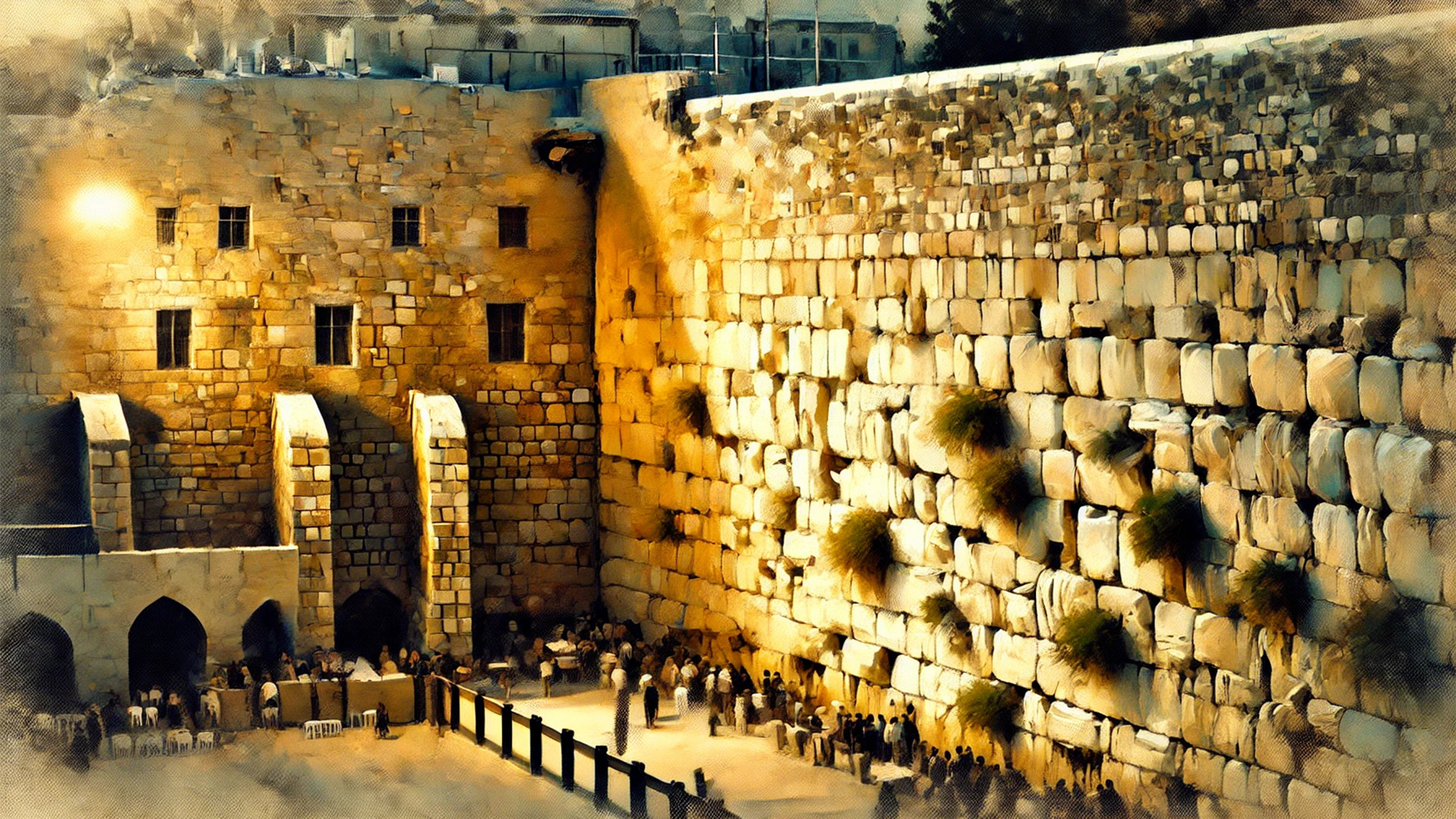
Why does Parshas Terumah precede the Golden Calf? Discover the Mishkan’s deeper purpose and timeless spiritual lessons.
Emunah [faith] is not just a state that a person either has or doesn’t have. Rather, it is a mida [trait] of a person—that he believes, that he relies on Hashem, that he has perfect faith. A person has to work hard to achieve this trait of emuna.
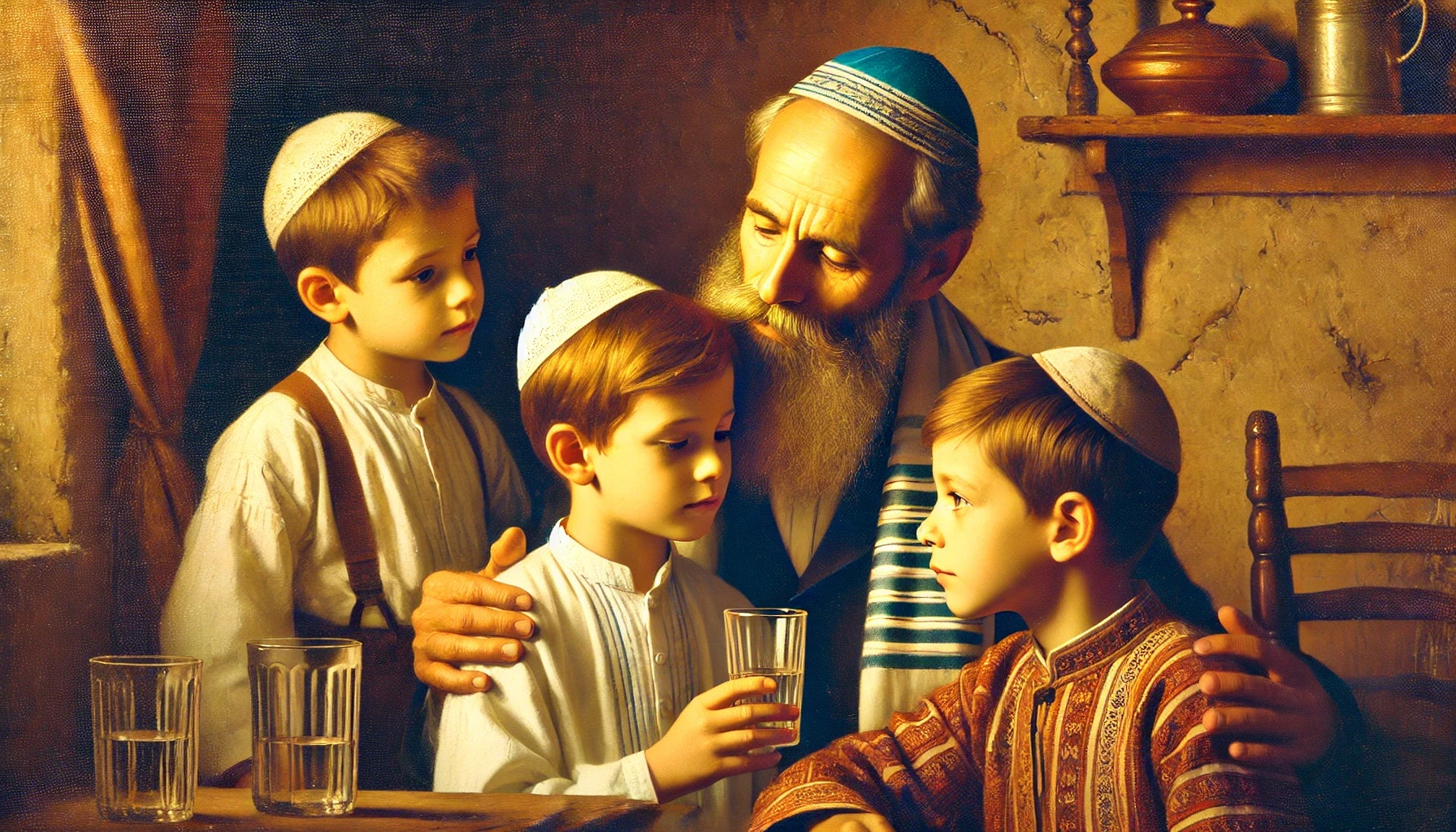
Hashem was ready to forgive His own honor, but not that of Klal Yisrael—a lesson for all generations, to uphold the honor of the Klal.

What makes Eretz Yisrael, Torah, and Shabbos unique gifts to the Jewish people? Discover the spiritual lessons and connections in this chapter.
What are four forms of prayer we pray to receive what we need from the Creator of All, and why do we use the titles, “Our Father, our King?”

Is it possible for a regular Jew in today’s world to reach the level of prayer that focuses on “eternal life”—thinking only of Hashem’s honor?