Involvement in Torah is Hope for the Wayward and Rebellious Son | Parashas Ki Seitzei

Involvement in Torah is Hope for the Wayward and Rebellious Son | Parashas Ki Seitzei
A Fundamental Key to Success in Spirituality From Our Parashah | Parashas Ki Seitzei | Rabbi Yitzchak Goldstein
The Rosh Yeshiva explains the part of the Torah in Parashas Ki Seitzei that instructs capital punishment for the Ben Soreir uMoreh, the Wayward and Rebellious Son, who refuses to listen to his father and mother—or does it? Learn about some of its lessons and relevance for parents and children historically and today, from the Jewish perspective.

Therefore, a person should ask himself, ‘What shall I do? My evil inclination overpowers me.’ If the Holy One goes with him, he will prevail…
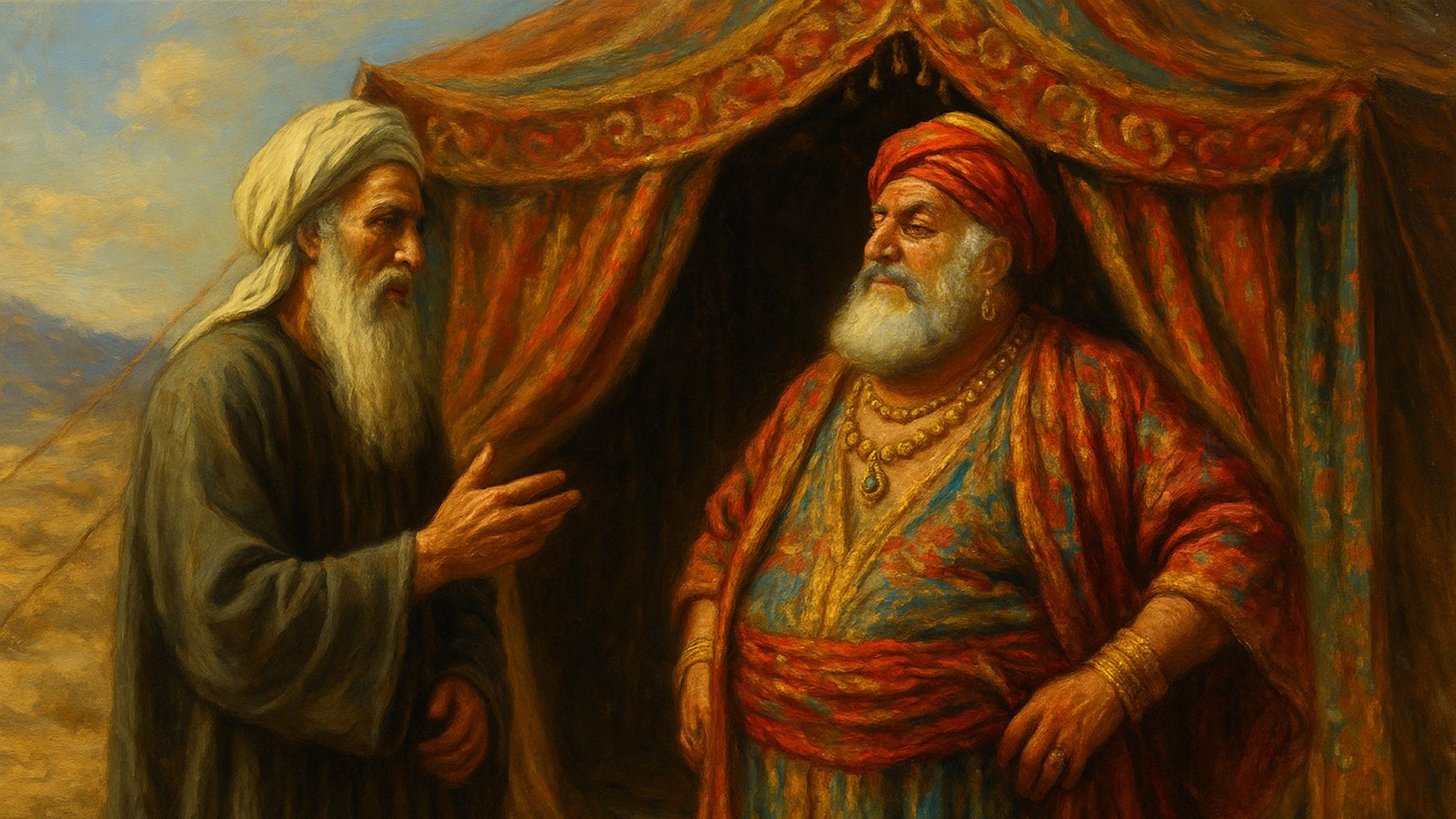
A Jew is different. We have to be sensitive, G-d fearing; we must have the trait of tov v’ra [good and evil] and also walk with tzniyus [modesty] before Hashem. That is the deeper message that we learn from the Avos [Forefathers].

The teachers of ethics expounded allegorically: A person must appoint for himself judges and officers in all his “gates,” that is, in the mouth, the eyes, and the ears, to guard himself from sin. At night, one should always make a cheshbon ha’nefesh [accounting of the soul], judging whether he behaved himself properly.
The Responsibility of a Father to Discipline His Children
The Rosh Yeshiva explains why HaShem’s command to harass the Midyanim (Midianites) at the beginning of Parashas Pinchas is followed by instructions about vows in Parashas Mattos and related matters, from what Bilam (Balaam) was really trying to accomplish against the Jewish people, what the Jewish family is about and how religious Jewish families live, where the Shechinah dwells and from what comes wealth and happiness, to what is essentially the worst transgression a person can make to the related prohibition on making vows in general, when they are permitted, when and how they can be nullified.
The Rosh Yeshiva explains the covenant of peace that HaShem made with Pinchas (Phinehas), its significance and meaning, and from this what our ultimate goal and work in this world should be, resulting in the attainment of the greatest pleasure a person can have in this world.
The Fast of Tammuz, Getting Through It, or It’s Getting Through?