Pillar of Torah – Remembering Rabbi Shabtai Beinush Herman Ztz”l
The passing of Rabbi Shabtai Beinush Herman ztz”l is not only the loss of a beloved individual, a devoted father and grandfather, a loyal friend, or even a dedicated מנהל and leader. It is the closing of an era in the history of Diaspora Yeshiva, the world of teshuvah, and Mount Zion itself. “The crown of our head has fallen.” These were the words chosen to announce his passing. They were not poetic exaggeration. They were simple truth.
For decades, Rabbi Herman stood quietly behind the scenes carrying burdens few people ever saw. He guided the Yeshiva through moments of growth and moments of crisis. He protected students who arrived broken, confused, searching, rejected, or spiritually homeless. He cared for the physical and spiritual survival of the Yeshiva’s institutions, and he dedicated himself tirelessly to preserving the Jewish presence on Har Tzion — one of the holiest and most symbolically important places in the Jewish world.
To understand Rabbi Herman’s greatness, one must first understand the uniqueness of Diaspora Yeshiva itself. When Rabbi Mordechai Goldstein zt”l founded the Diaspora Yeshiva after the Six Day War on Mount Zion, the very concept of a yeshiva for baalei teshuvah barely existed. The Yeshiva became a revolutionary spiritual home for Jews returning from every imaginable background — secular, hippie, academic, artistic, intellectual, wounded, searching, skeptical, inspired. It was not merely teaching Gemara. It was rebuilding Jewish souls.
The Yeshiva was proving that Torah could speak to modern man without compromising truth — that holiness could embrace people before they were “finished.” It created a place where Jews could arrive exactly as they were and slowly grow toward who they were capable of becoming. Thousands of students passed through the ancient stone hallways of Mount Zion searching for meaning. Many arrived carrying years of alienation from Judaism. Many had never opened a Gemara before. Many had never experienced authentic Torah life. Some came out of curiosity. Others came out of desperation. And countless of them found a home — not because of marketing or programs, but because there were people there who truly cared.
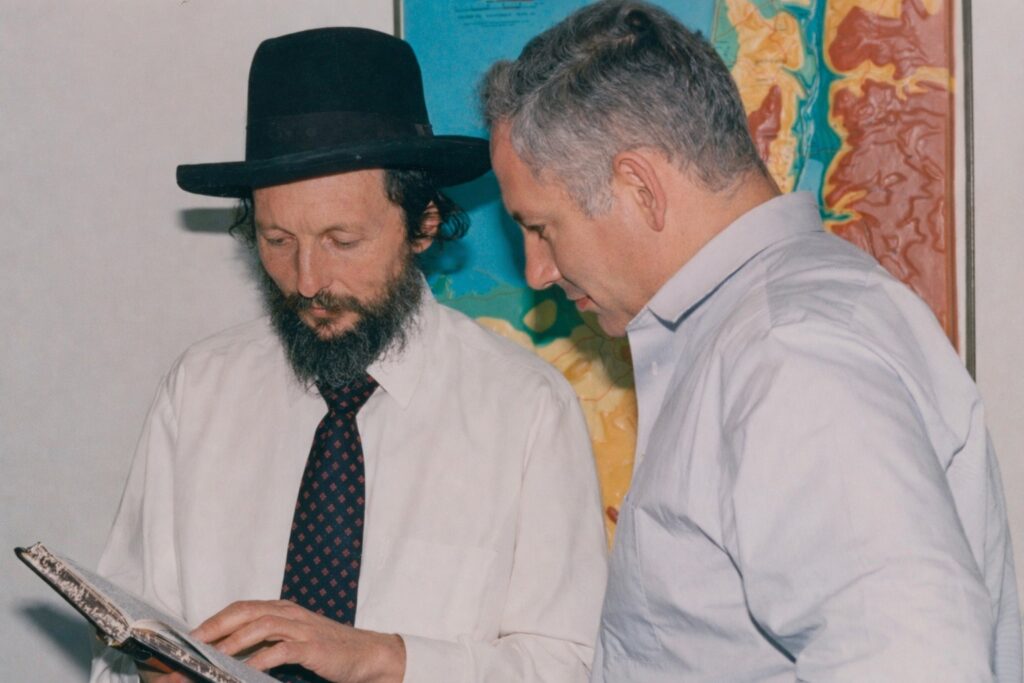
Rabbi Shabtai Beinush Herman was one of the pillars of that care. For forty years, he helped carry the sacred responsibility of ensuring that the doors of Torah remained open to every Jew seeking return.
The world often celebrates the visible leaders — the lecturers, the charismatic teachers, the public figures. But anyone who has spent time in institutions knows the deeper truth: entire worlds are sustained by hidden people whose names rarely appear in headlines. People who answer phones during emergencies. People who calm frightened students. People who solve impossible financial problems. People who protect institutions during political pressure. People who ensure meals are served, dormitories function, electricity stays on, crises are handled, and souls are not forgotten. Rabbi Herman was one of those builders — a quiet guardian of Torah, a protector of Mount Zion, a caretaker of Jewish souls. He worked tirelessly on behalf of the downtrodden and rejected, and those words capture something essential about both the Yeshiva and Rabbi Herman himself.
The baal teshuvah movement was never simply about outreach. It was about dignity. It was about believing that no Jew is too far, about seeing greatness hidden beneath confusion, about rebuilding identity in a generation fractured by assimilation, secularism, trauma, addiction, loneliness, and spiritual emptiness. Long before “Jewish outreach” became organized and institutionalized, places like Diaspora Yeshiva stood on the front lines of that mission. And people like Rabbi Herman carried that mission day and night for decades.
The modern world often misunderstands what the chozer b’teshuvah movement truly accomplished. It did not merely increase observance statistics — it resurrected generations. It rebuilt families. It restored Jewish continuity. It created Torah homes where none existed before. It brought Jews back not only to mitzvos, but back to identity, meaning, morality, holiness, purpose, and connection to generations stretching back to Sinai. Entire communities across Israel, America, Europe, and beyond trace their roots to the courage and sacrifice of the early baal teshuvah institutions and their leaders.
Among those institutions, Diaspora Yeshiva holds a unique place in Jewish history. Perched atop Har Tzion near Kever Dovid HaMelech, the Yeshiva became more than a school — it became a symbol, a meeting point between ancient Jerusalem and modern searching Jews from across the world. The music that emerged from the Yeshiva reached thousands of unaffiliated Jews globally through the Diaspora Yeshiva Band, pioneering what later became Jewish outreach music. The atmosphere of the Yeshiva helped inspire countless students toward Torah learning, families, rabbanus, education, kiruv, and communal leadership. Many who walked through its gates arrived spiritually lost and later became teachers themselves.
And through all of those decades, Rabbi Herman remained there — steady, faithful, and protective. Serving not for honor, but for responsibility. There is something profoundly Jewish about that type of leadership. Judaism was never built only by famous orators. It was built by those willing to carry burdens for Klal Yisrael quietly, consistently, and without applause. The Gemara teaches that the world stands on hidden righteous people. Sometimes those hidden people are not hidden because they lack greatness, but because greatness itself often chooses humility.
Rabbi Herman represented a generation of builders who sacrificed personal comfort for communal continuity — a generation that believed Jewish survival was worth everything, that rebuilt Torah life after the destruction of Europe, that saw assimilated Jewish youth not as lost causes, but as future תלמידי חכמים, future mothers and fathers of Torah homes, future builders of Am Yisrael.
Today, the world of teshuvah is far larger than it was fifty years ago. There are countless yeshivos, seminaries, outreach organizations, online Torah platforms, podcasts, communities, and institutions devoted to helping Jews reconnect. But it is important to remember that none of this appeared automatically. There were pioneers. There were visionaries. And some loyal guardians kept those visions alive through decades of struggle. Rabbi Shabtai Beinush Herman Ztz”l was one of those guardians.
His contributions cannot be measured merely by titles or official accomplishments. His true legacy lives inside human beings — inside students who stayed religious because someone cared, inside families that exist because someone welcomed a searching Jew, inside children and grandchildren learning Torah today because decades earlier a confused young man or woman found a home on Mount Zion. This is the real miracle of the baal teshuvah movement, and this is the legacy Rabbi Herman helped build.
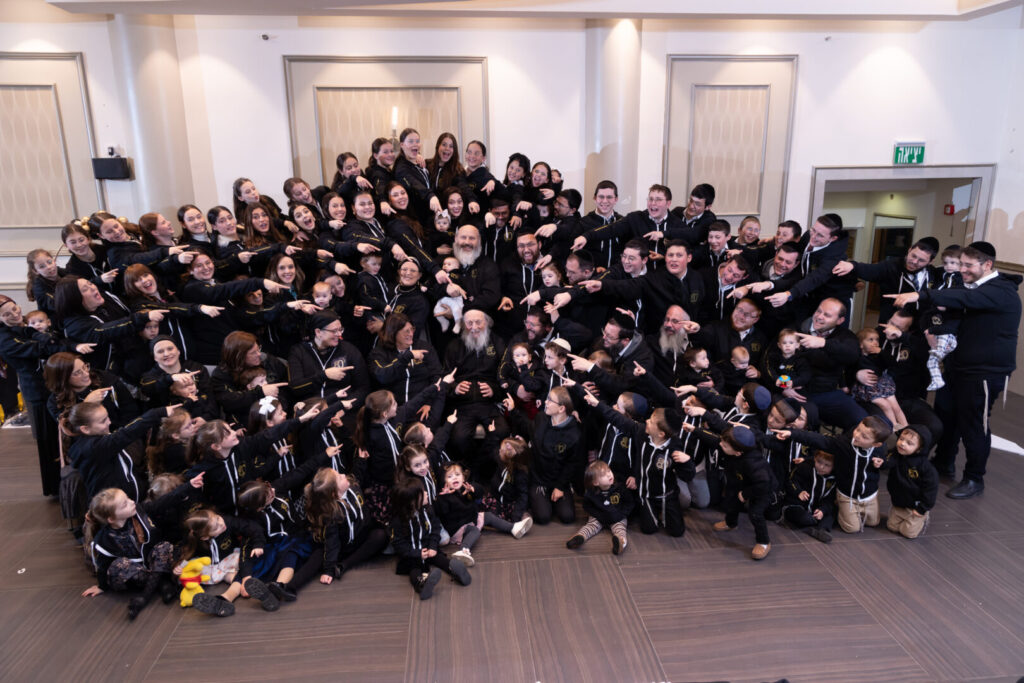
At a time when much of the modern world grows increasingly disconnected, cynical, lonely, and spiritually exhausted, the message of Diaspora Yeshiva remains as relevant as ever: every Jew matters, every soul can return, Torah belongs to every Jew, and no one should ever be abandoned spiritually. Rabbi Herman lived those values not only in speeches, but in decades of daily sacrifice. The stones of Har Tzion witnessed it. The students witnessed it. The Yeshiva witnessed it. And Heaven witnessed it.
May his memory continue to inspire future generations of תלמידים, מחנכים, בעלי תשובה, and builders of Klal Yisrael. May the Yeshiva continue the holy mission to which he devoted his life. And may the countless souls impacted through his work serve as an eternal merit for his נשמה.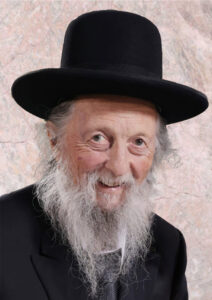
יהי זכרו ברוך.